What Meditation Actually Does to Your Brain and Body — And Why Every Culture on Earth Has Done It
You may have seen the phrase "Feeling Good Feels Good" around Philadelphia. This is what it means.
Most people think meditation is about clearing your mind. Sitting still. Achieving some perfect state of inner peace. And because most people cannot do those things for more than about thirty seconds, they decide meditation is not for them.
That misunderstanding is the whole problem. Because meditation is not about clearing your mind at all. It is about training it. And once you understand what it actually is, what it actually does to your physiology, and how every major culture on earth independently arrived at some version of it, the practice starts to look less like a wellness trend and more like one of the most important tools human beings have ever developed.
This episode of Feeling Good Feels Good goes deep on all of it.
What Meditation Actually Is
Here is a working definition worth holding onto. Meditation is a practice of focused awareness, attention, or stillness that trains the mind or calms the body. That is it. Not clearing your mind. Not achieving enlightenment. Just showing up, being present, and gently guiding your attention in a specific direction again and again.
The word itself comes from the Latin meditatio, meaning to contemplate or to reflect. That etymology tells you something important about the original intent. Meditation was never designed as a quick fix or a productivity hack. It was designed as a deep reflective practice for turning inward and it has been doing exactly that for thousands of years.
The types of meditation that exist today fall into a few broad categories. Focused attention meditation asks you to concentrate on one specific thing, your breath, a mantra, a sound, and bring your attention back every time it wanders. Open awareness meditation asks you to simply observe whatever is happening, thoughts, sensations, emotions, without judging or reacting to any of it. Movement-based meditation includes practices like yoga, Tai Chi, and walking meditation that connect the body and the breath through motion. Visualization meditation involves mentally picturing something, a peaceful place, a healing process, a future outcome. And mindfulness meditation, probably the most recognized form in modern Western culture, asks you to pay attention to the present moment on purpose and without judgment.
None of these approaches is better than the others. They are just different tools for different moments and different people.
Where Meditation Came From
The earliest written references to meditation appear in the Vedic texts of ancient India, dating to around 1500 BCE. These were the sacred writings of early Hindu tradition and they describe meditative states as a way to quiet the mind, connect with deeper truths, and reach spiritual liberation. From there, meditation became central to several major Indian traditions, Hinduism, Jainism, and eventually Buddhism, which emerged around the fifth century BCE and made meditation essential to the path of awakening.
But what is truly remarkable about meditation is what happened next. It did not just spread from India outward. It appeared independently across completely separate cultures with no contact with each other.
In Taoist China, meditation evolved to focus on the balance of internal energy, what Chinese medicine calls Qi. Practices like Qi Gong and sitting meditation emphasized breath, flow, and stillness as pathways to health and longevity.
In the Islamic world, Sufi mystics developed a meditative practice called dhikr, a contemplative remembrance of God through breath, rhythm, and repetition, as a way to purify the heart and draw closer to the divine.
In Christian mysticism, especially among the early Desert Fathers and later mystics like Teresa of Avila, meditative prayer was understood as a silent inward listening, a way to enter deep communion with God beyond words.
Cultures separated by thousands of miles and vastly different belief systems all found their way to the same practice. That convergence is not a coincidence. It is evidence that meditation addresses something fundamental about the human experience, the need to regulate the mind, connect with something deeper, and find stillness in the noise of daily life.
How Meditation Made It to the Modern World
For most of its history meditation lived inside religious and spiritual traditions. The shift began in the twentieth century when Eastern philosophy started crossing into Western culture, particularly during the 1960s and 1970s when yoga and Buddhist meditation practices found new audiences in Europe and North America.
The turning point came in the late 1970s when Dr. Jon Kabat-Zinn developed Mindfulness-Based Stress Reduction, or MBSR, a clinical program that took Buddhist-inspired mindfulness techniques and made them accessible to people dealing with chronic pain, anxiety, and stress without any religious framing. MBSR moved meditation out of monasteries and into hospitals, clinics, and eventually corporations and schools.
Today meditation is studied in thousands of peer-reviewed scientific papers. It is used in hospitals to help patients manage pain and anxiety, in therapy settings for trauma recovery, in classrooms for attention and emotional regulation, and in boardrooms for leadership development and stress management. What was once considered a mystical practice is now understood as a trainable neurobiological skill, something you can develop like a muscle.
What Meditation Does to Your Body
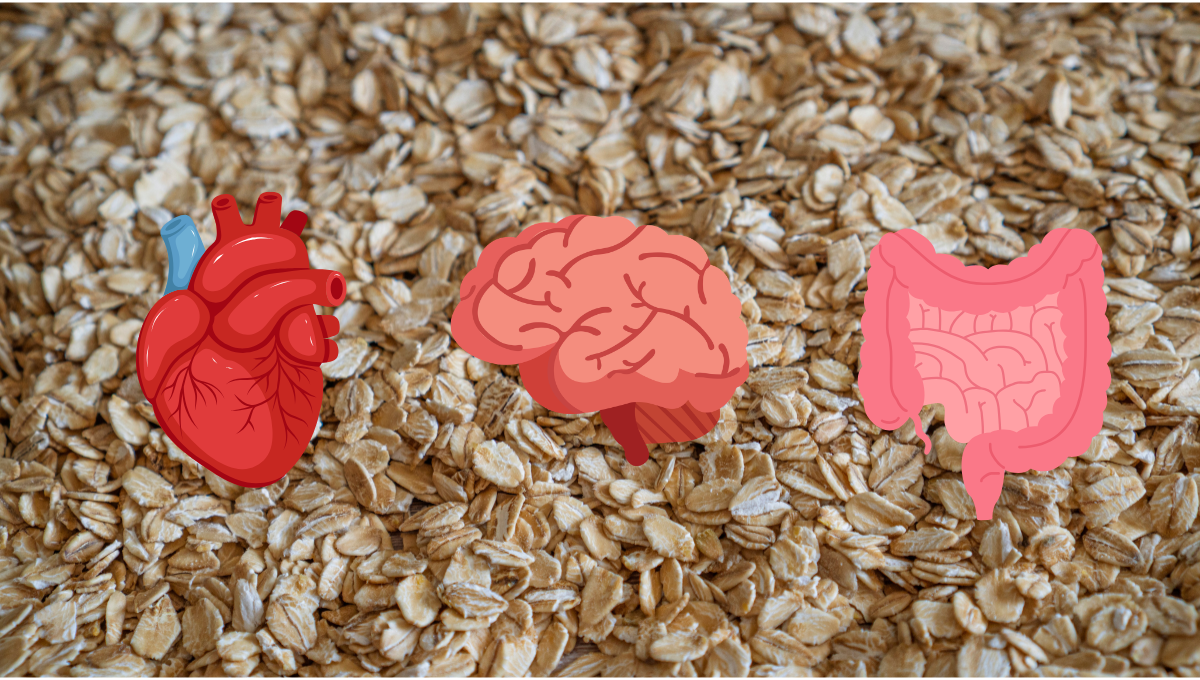
Here is where things get genuinely fascinating. Meditation is not just a mental break. It is a measurable physiological event with real effects on your nervous system, your brain, your hormones, and even your gene expression.
The most fundamental shift happens in your autonomic nervous system. Your nervous system has two primary states, the sympathetic state which is your fight or flight response, and the parasympathetic state which is your rest and digest response. Most people in modern life spend far too much time in sympathetic activation, hearts beating faster, stress hormones elevated, digestion suppressed, muscles braced. Meditation reliably activates the parasympathetic system. Heart rate slows. Blood pressure drops. Breathing deepens and becomes more regular. Cortisol levels decrease. The body shifts from a state of threat management into a state of restoration and repair.
A 2024 systematic review confirmed that mindfulness and meditation practices induce positive changes in the prefrontal cortex and reduce amygdala reactivity, the brain's threat and fear detector. Research shows meditation induces neuroplasticity, increases cortical thickness, reduces amygdala reactivity, and improves brain connectivity and neurotransmitter levels, leading to improved emotional regulation, cognitive function, and stress resilience.
The breathing that happens during meditation does specific work through the vagus nerve, a major nerve running from the brainstem down through the heart and digestive system. Longer exhales specifically stimulate vagal tone, which improves the body's ability to regulate stress, reduce inflammation, improve digestion, and stabilize mood. This is not abstract. It is measurable through heart rate variability, a reliable biomarker of nervous system health and emotional resilience.
Meditation also influences your neurochemistry. Serotonin levels tend to increase with regular practice, which partly explains why meditation consistently reduces symptoms of depression and anxiety. Dopamine, which supports focus and motivation, increases as well. And melatonin production improves, which supports sleep quality and circadian rhythm regulation.
At the level of brain activity, meditation shifts your dominant brain wave patterns. Alpha waves, associated with a relaxed but alert state, increase during meditation. Theta waves, linked to deeper relaxation and memory consolidation, emerge during more advanced practice. These shifts are measurable on EEG and represent a genuine change in how your brain is operating, not just how you feel.
Research has shown that even seven days of meditation can begin rewiring the brain, boosting neuroplasticity and influencing immune activity in ways that could improve emotional regulation, stress resilience, and mental wellbeing. Seven days. That is not a long time to begin changing how your brain works.
What Meditation Does to Your Mind
The psychological benefits of meditation are equally well documented. Mindfulness meditation programs show moderate evidence for improving anxiety, depression, and pain with effects that persist at three to six month follow up.
What is happening underneath those outcomes is a shift in your relationship to your own thoughts. Meditation cultivates what psychologists call metacognition, the ability to observe your own thoughts and feelings without immediately being pulled into them. You start to see thoughts as events that pass through awareness rather than absolute truths that demand a response. This reduces what researchers call rumination, the repetitive negative thinking that fuels anxiety and depression, and creates space between experience and reaction.
This shift is sometimes called decentering or cognitive defusion. It is the same mechanism that makes evidence-based therapies like Acceptance and Commitment Therapy effective. And regular meditation practice builds this capacity the same way physical training builds muscle, through consistent repetition over time.
Focus and attention also improve measurably with regular practice. The mental effort of bringing a wandering mind back to an anchor, a breath, a mantra, a sensation, trains the same neural circuits responsible for sustained attention and resistance to distraction. Over time this translates into a longer and more stable attention span in everyday life.
Different Practices, Different Effects
Not all meditation works the same way in the body and brain. Relaxation-based practices like body scans and breath awareness primarily activate the parasympathetic nervous system and reduce stress hormones, ideal for anxiety, burnout, and chronic pain management. Focused attention practices like mantra meditation stimulate the prefrontal cortex and enhance cognitive performance, working memory, and concentration, useful for anyone who needs to think more clearly and sustain focus. Visualization practices activate the sensory and motor regions of the brain in ways similar to actual physical practice, which is why athletes use visualization as a performance tool. Challenge-based practices like Vipassana build emotional endurance and equanimity by training the mind to stay stable in discomfort. And quick calming techniques like box breathing rapidly reduce sympathetic activation and stimulate the vagus nerve, giving you a neurological reset in moments of acute stress.
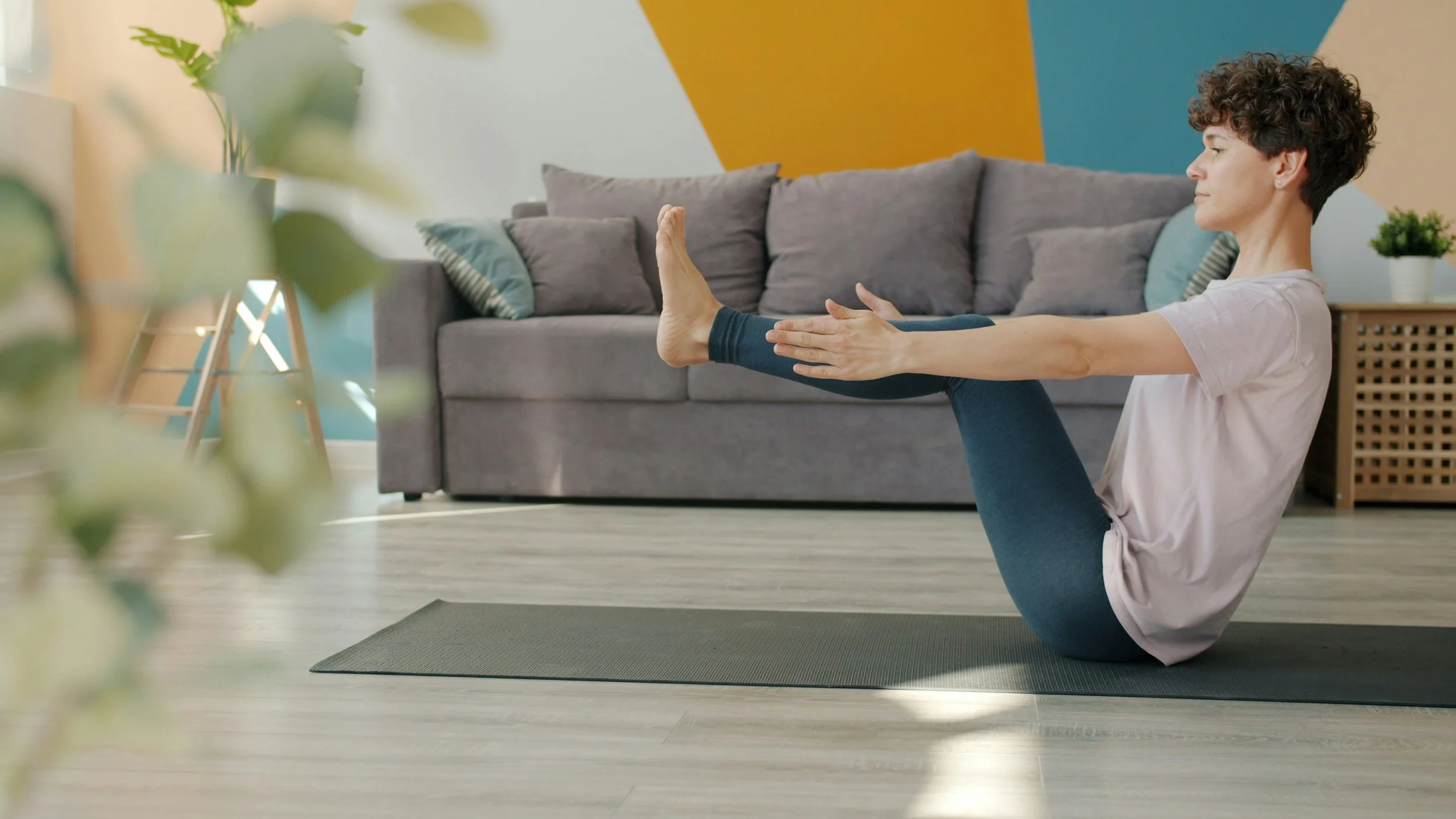
Body position matters too. An upright spine supports alertness and prevents the drowsiness that comes with more reclined positions. And longer exhales consistently produce deeper parasympathetic activation than either inhalation focus or neutral breathing.
Meditation in the Spiritual World
It would be incomplete to discuss meditation without acknowledging the dimension it emerged from. Across every major spiritual tradition, meditation has been understood as a path to something greater, whether that is awakening, divine union, or simply a deeper contact with truth.
In Buddhism it is the central practice for understanding the nature of mind and releasing suffering. In Hinduism it is the path to union with the divine, the merging of individual consciousness with universal consciousness. In Christian contemplative traditions it appears as silent prayer, stillness, and what mystics called the prayer of the heart. In Sufism it is the practice of remembrance, drawing the practitioner into the direct experience of divine love.
What is shared across all of these traditions is the same movement inward, away from the noise of ordinary thinking and toward something deeper, quieter, and more essential. The language differs. The frameworks differ. But the direction is the same.
Prayer and Meditation: The Same Physiology
This is the part that surprises people. Prayer and meditation, while often understood as completely different practices, produce nearly identical physiological effects when studied in a laboratory.
Both activate the parasympathetic nervous system. Both slow heart rate and deepen breathing. Both reduce cortisol. Brain imaging studies show that both engage the prefrontal cortex and the anterior cingulate cortex, regions involved in focus, emotional regulation, and the experience of calm. Whether you are meditating inward or praying outward to a higher power, the body responds in remarkably similar ways. The mechanism of benefit may differ in meaning, but the biology is nearly the same.
This does not collapse the distinction between the two. Prayer carries relational, theological, and communal dimensions that meditation does not necessarily share. But it does suggest that the physiological reset the human body needs, the shift from sympathetic to parasympathetic, from reactivity to stillness, can be accessed through multiple doorways. And that is worth knowing.
Finding Your Practice
There is no single right way to meditate. The research supports multiple approaches and the traditions support even more. The most important variable is not which style you choose but whether you practice consistently.
Even five minutes a day of focused breath awareness produces measurable benefits over time. Box breathing takes four minutes and can be done at your desk. A body scan before sleep takes ten minutes and improves sleep quality. A brief walking meditation on your lunch break requires no equipment and no special location.
The entry point does not matter nearly as much as the decision to begin. And once you understand what is actually happening in your nervous system, your brain, and your hormones when you practice, beginning feels less like a luxury and more like basic maintenance for the most important system you own.
Feeling good feels good.
This post is based on Episode 11 of the Feeling Good Feels Good podcast with Dr. Zachary Tripp. Listen on Spotify or watch on YouTube.