Pumpkin: The Fruit That Became Fall's Favorite Vegetable
You may have seen the phrase "Feeling Good Feels Good" around Philadelphia. This is what it means.
Pumpkins are everywhere this time of year. They're on porches, in lattes, in candles, and apparently in everything from hand soap to lip balm. But underneath all the seasonal marketing is a genuinely fascinating food with a remarkable history and real nutritional value that most people never think about.
This episode of Feeling Good Feels Good starts with a simple question and goes somewhere surprising.
Is a Pumpkin a Fruit or a Vegetable?
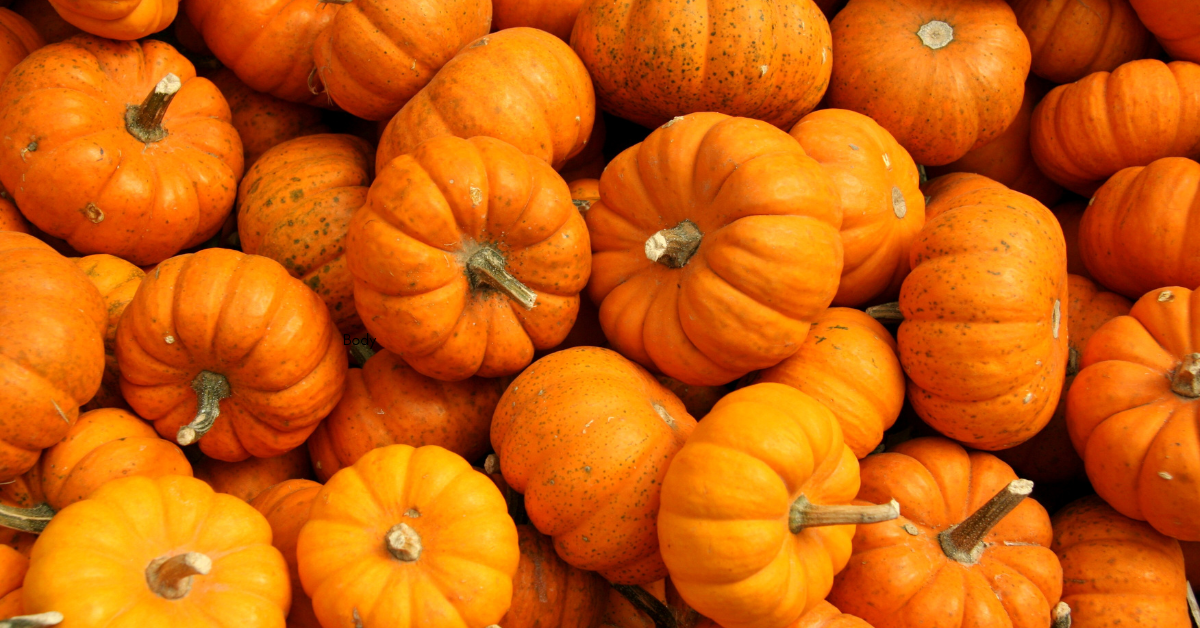
Let's settle this. Botanically speaking, pumpkin is a fruit. It grows from the flowering part of the plant and contains seeds inside. By the rules of plant science, that makes it a fruit — right alongside cucumbers, tomatoes, and melons.
But in the kitchen, nobody treats it like one. You don't toss pumpkin in a fruit salad or eat it raw off the vine. You roast it, purée it, blend it into soups, and pair it with savory spices. Chefs treat it exactly like they treat carrots or sweet potatoes — hearty, earthy, not sweet on its own.
So the honest answer is: botanically a fruit, culinarily a vegetable, and culturally the symbol of fall. All three are true at the same time.
Why Pumpkin Belongs to Fall
This isn't an accident of marketing. Pumpkins are a warm season crop that need hot sun and long days to grow. Farmers plant them in late spring and early summer, and they reach their peak just as the leaves start to turn — late September through October, right before the first frost.
That timing made pumpkins one of the most important crops in early North American history. Along with corn and beans, pumpkin was one of the Three Sisters of Native American agriculture. The three crops were grown together, eaten together, and stored together for the winter. Pumpkin flesh could be cooked, dried into strips, or mashed. The seeds were roasted and eaten. Even the flowers and leaves were used in some traditions.
When European settlers arrived, they learned pumpkin cultivation from Indigenous peoples and quickly made it part of harvest traditions — including the early versions of pumpkin pie, which evolved over centuries into the dessert we recognize today. Pumpkin was already woven into American fall culture long before Halloween came along.
The Jack-O'-Lantern Wasn't Always a Pumpkin
Here's the part most people don't know. The tradition of carving scary faces into vegetables comes from Ireland and Scotland, where people used to hollow out turnips and beets and carve them into lanterns. These were called jack-o'-lanterns, named after an old folktale about a man named Stingy Jack who tricked the Devil and was doomed to wander the Earth with only a glowing coal inside a carved turnip to light his way.
When Irish and Scottish immigrants came to North America, they brought the tradition with them — but turnips were hard to find. Pumpkins were abundant, easy to carve, and perfect for autumn. So pumpkins replaced turnips, and the modern Halloween tradition was born. A piece of Irish folklore became an American icon because of agricultural practicality.
There Is No Pumpkin in Pumpkin Spice
None. Zero. Not a trace.
Pumpkin spice is a blend of warming spices — cinnamon, nutmeg, ginger, clove, and allspice — that were traditionally used in pumpkin pie. The blend became so associated with fall cooking that eventually the spices themselves started to feel like fall, independent of any actual pumpkin.
McCormick marketed pumpkin pie spice as a pre-blended mix starting in the 1950s to simplify holiday baking. Then in 2003, Starbucks released the Pumpkin Spice Latte — which originally had no pumpkin in it at all, just the spice blend and flavored syrup. They added a small amount of real pumpkin puree in 2015 after years of people pointing this out.
What we think of as the taste of pumpkin is really the taste of warm spices, cream, sugar, and vanilla. Your brain connects that flavor combination to fall, to comfort, and to cozy — even when there's no actual squash involved. That's how powerful sensory memory and seasonal association are.
What Pumpkin Actually Does for Your Body
Here's where the story gets genuinely interesting.
One cup of cooked pumpkin provides over 200 percent of your recommended daily intake of vitamin A — most of it from beta-carotene, the compound that gives pumpkin its deep orange color. Beta-carotene is a provitamin A, meaning your body converts it into active vitamin A only as much as it needs. This built-in regulation is important because it means you cannot overdose on vitamin A from food sources the way you can from supplements.
Vitamin A supports vision, immune function, skin health, lung tissue repair, and reproductive health. It maintains the mucosal barriers in your gut, lungs, and sinuses — your first line of defense against infection. In populations with low vitamin A, the research consistently shows higher rates of respiratory infections, reduced vaccine effectiveness, and increased severity of illness. Eating pumpkin in the fall, when those immune defenses matter most, is not a coincidence. It's seasonal nutrition working exactly as it was designed.
The Beta-Carotene Twist
Here's the part that surprised researchers — and should make you think twice about reaching for supplements.
In the 1990s, two major clinical trials tested whether isolated high-dose beta-carotene supplements could prevent lung cancer in smokers. The ATBC study followed over 29,000 male smokers in Finland. The CARET study followed over 18,000 smokers and asbestos-exposed workers in the United States. Both studies expected to find protection.
Instead, they found the opposite. Participants taking high-dose beta-carotene supplements showed an 18 to 28 percent increase in lung cancer risk and higher mortality. Both studies were stopped early because the results were so alarming.
What happened? In whole food form, beta-carotene is surrounded by other nutrients — vitamin C, vitamin E, lutein, zeaxanthin, fiber — that stabilize it and help it behave as an antioxidant. In isolation and high doses, especially in the presence of the high oxidative stress caused by cigarette smoke, beta-carotene can flip and become a pro-oxidant, contributing to the very damage it normally fights.
Think of it this way. In a clean environment, beta-carotene is a fire extinguisher. In a toxic, smoke-filled room, that same compound can turn into gasoline.
This is not a reason to avoid pumpkin. It's a reason to be skeptical of isolated supplements and to trust whole foods. The worst thing that happens from eating too much pumpkin is a harmless yellow-orange tint to your skin called carotenemia, which disappears when you eat less of it. No organ damage. No toxicity. Just a temporary color shift.
Your body is designed to handle beta-carotene from food. It is not always designed to handle it in pill form at many times the natural dose.
The Seeds Are Worth Keeping
Most people scoop the seeds out of a pumpkin and throw them away. That's a mistake.
Pumpkin seeds are dense with magnesium, zinc, iron, and manganese — minerals that are under-consumed in most modern diets. Magnesium supports muscle function, nerve transmission, and sleep quality. Zinc supports immune function and hormone regulation. The seeds also contain tryptophan, an amino acid precursor to serotonin, which means they may support mood and sleep in addition to their mineral content.
Roast them with a little olive oil and salt. They keep well and they're one of the most nutrient-dense snacks available — especially in fall when the rest of the pumpkin gets all the attention.
Pumpkin and the Rhythm of the Season
There's a bigger idea underneath all of this.
Pumpkin shows up exactly when your immune system starts to need more support. It provides vitamin A when respiratory infections become more common. It offers fiber and complex carbohydrates for steady energy as days get shorter and colder. Its timing in the harvest cycle is not arbitrary — it's the result of thousands of years of humans and plants adapting together.
The same seasonal intelligence that made pumpkin a survival crop for Indigenous peoples is still working. You're not just eating something cozy when you eat pumpkin in October. You're eating something that belongs to this time of year in a way that goes deeper than marketing.
Feeling good is simpler than most people think. Sometimes it starts with what's already in season.
Feeling good feels good.
This post is based on Episode 9 of the Feeling Good Feels Good podcast with Dr. Zachary Tripp. Listen on Spotify or watch on YouTube.